
Understanding Carrots Beyond the Common Belief
Most people believe that carrots directly contain vitamin A, but this is not fully correct. Carrots actually contain beta-carotene, which is a natural orange pigment. Beta-carotene is not vitamin A itself; it is a precursor, meaning the body converts it into vitamin A only when needed. This conversion mainly happens in the intestine and liver. Because of this controlled conversion, carrots are a safe source of vitamin A and do not usually cause overdose problems that can happen with vitamin A supplements.
Vitamin A produced from beta-carotene is essential for night vision, immunity, healthy skin, and normal growth. The body takes only what it needs and safely stores or removes the rest.
Why Some Carrots Are More Nutritious Than Others
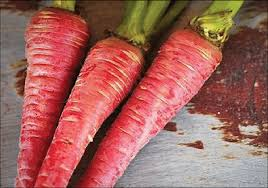
Not all carrots are equal in nutrition. The color and thickness of a carrot matter more than its length. Short, thick, deep-orange carrots usually contain more beta-carotene than long, thin, reddish-orange carrots. This is because deeper orange color means a higher concentration of carotenoids.
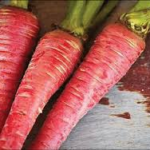
In India, traditional winter carrots (often called desi carrots) are usually richer in beta-carotene than long hybrid carrots grown mainly for size, shape, and shelf life. So, when choosing carrots for nutrition, color intensity is a better guide than size.
What Happens to Beta-Carotene Inside the Carrot
Beta-carotene is trapped inside hard plant cell walls made of fiber. When carrots are eaten raw, much of this beta-carotene remains locked inside and passes through the body without being absorbed. This means raw carrots contain beta-carotene, but the body cannot use all of it.
Cooking breaks these cell walls and releases beta-carotene, making it easier for the body to absorb. However, cooking must be done carefully, because too much heat can damage beta-carotene.
How Storage Affects Carrot Nutrition
Beta-carotene is fairly stable, but it slowly breaks down when exposed to light, air, heat, and long storage time. Whole carrots stored in a cool, dark place lose nutrients slowly. Once carrots are peeled, cut, or grated, beta-carotene is exposed to oxygen and begins to break down faster.
This is why carrots should ideally be:
- Stored whole
- Kept cold
- Protected from light
- Cut or grated only just before cooking
Cooking: Damage vs Benefit
Excessive heat, long boiling, and repeated reheating can damage beta-carotene. Very high heat changes its structure and reduces its vitamin A activity. However, gentle cooking actually improves absorption, because it softens the carrot and releases beta-carotene from the fibers.
So, cooking is not the enemy. Over-cooking is.
Why Gajar-ka-Halwa Is Nutritionally Interesting
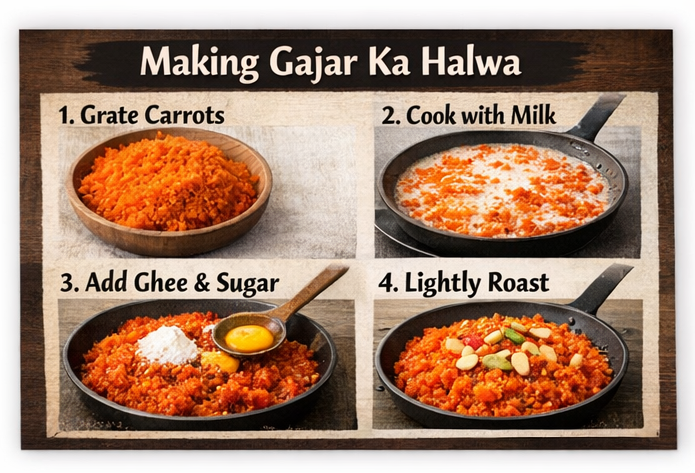
Gajar-ka-halwa is not just a sweet dish; it is a traditional method of making beta-carotene usable for the body. The combination of heat, milk, and ghee helps release and absorb carotene efficiently. This dish is especially suitable for winter, when the body needs warmth, energy, and fat-soluble nutrients.
However, very long cooking, heavy roasting, and excessive sugar reduce its health value. Traditionally, halwa was eaten occasionally and seasonally—not daily.
Role of Milk Proteins in Carotene Absorption (Simple Explanation)
Milk contains proteins, mainly casein, which play a gentle protective role during cooking. When carrots are cooked in milk, these proteins loosely hold onto beta-carotene molecules. This reduces direct exposure to oxygen and heat, which helps slow down nutrient loss.
Milk proteins also help keep beta-carotene evenly spread throughout the food instead of breaking down or sticking to the pan. While milk proteins do not directly increase absorption like fat does, they help preserve beta-carotene during cooking, making more of it available for absorption later in digestion.
Role of Ghee Fats in Carotene Absorption (Very Important)
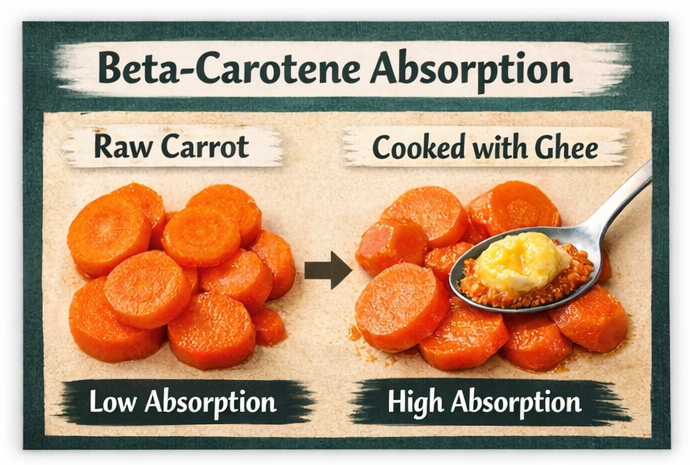
Beta-carotene is fat-soluble, which means it cannot be absorbed properly without fat. Ghee plays a major role here. When ghee is present, beta-carotene dissolves into the fat. During digestion, this fat forms tiny droplets that carry beta-carotene through the intestinal wall into the bloodstream.
Without fat, most beta-carotene simply passes through the body unused. With ghee, absorption can increase three to six times. Ghee also protects beta-carotene from heat damage during cooking. This is why traditional recipes add ghee—not only for taste, but because it makes the nutrient useful.
Raw Carrots vs Cooked Carrots vs Halwa
Raw carrots are good for fiber and digestion but provide limited usable vitamin A unless eaten with fat and chewed well. Cooked carrots provide less total beta-carotene by weight, but the body absorbs much more of it. Gajar-ka-halwa, when prepared properly, offers the highest absorption, though it should be eaten in small quantities because of sugar and calories.
The Truth About Carrots and Eyesight
Carrots do not improve eyesight beyond normal levels. They prevent vision problems caused by vitamin A deficiency, especially night blindness. The belief that carrots “sharpen eyesight” comes from the improvement people feel when a deficiency is corrected.
Traditional Cooking Wisdom and Modern Science
Old cooking methods were developed through observation, not laboratories. Yet many of them unintentionally followed scientific principles—using heat to release nutrients, fat to absorb them, and seasonal eating to match body needs. Gajar-ka-halwa is a strong example of this hidden wisdom.
Final Understanding
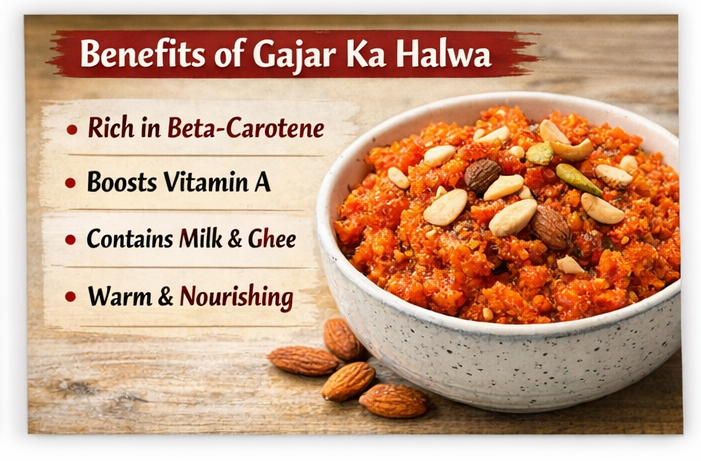
Carrots are powerful not because they contain vitamin A, but because they contain beta-carotene that the body wisely converts when needed. Their true value depends on choice of carrot, storage, cooking method, and the presence of fat. When prepared with care, traditional dishes like gajar-ka-halwa are not unhealthy—they are seasonal nutritional tools, meant to be enjoyed in balance.









Really informational and interesting blog,
Learned something new today!
The vocabulary of the blog is simple making it easier to understand the concept